
In the world of grains, rice is king. It’s a staple in over half the world’s diets and one of the most traded agricultural commodities. Yet, many small rice businesses struggle to increase sales, despite having quality products. Why? Because selling rice isn’t just about the grain—it’s about how you position, price, and promote it. Whether you’re a small-scale miller, distributor, or retailer, this post dives deep into strategies that go beyond the basics—giving you fresh, actionable insights to grow your business.
The Current Landscape of the Rice Market
Before we dive into how to increase sales, let’s understand the rice business environment in 2025:
- Global demand is rising, especially in Africa and Southeast Asia.
- Profit margins are shrinking due to increased competition and fluctuating input costs.
- Consumer preferences are changing—people are now more focused on organic, locally-sourced, and specialty rice varieties like jasmine, red, and black rice.
- Digital adoption is growing, even in rural areas, making online sales and social media crucial.
According to FAO, global rice consumption is projected to rise 1.2% annually through 2030, yet many small businesses aren’t keeping up. So, how do you break through the noise?
What Sets a Profitable Small Rice Business Apart?
Most small rice businesses start the same way: buy or grow rice, process it, and sell it. But successful ones stand out by focusing on these key differentiators:
| Element | Struggling Businesses | Growing Businesses |
|---|---|---|
| Product Quality | Focused on quantity over quality | Prioritize milling consistency and low broken grains |
| Packaging | Basic, no branding | Attractive, resealable, informative packaging |
| Pricing Strategy | One-size-fits-all pricing | Tiered pricing for different markets and bulk orders |
| Sales Channels | Local physical shops only | Hybrid: offline + online channels |
| Customer Engagement | No CRM or feedback system | Actively collects feedback and maintains loyalty |
Now let’s look at how you can adopt and implement these best practices to increase sales.
Proven Strategies to Increase Sales in Your Rice Business
1. Differentiate Your Product
Even if your rice looks the same as others, you can still make it stand out.
How?
- Certify your rice as organic or non-GMO if applicable.
- Highlight unique traits—is it low in arsenic? Naturally fragrant? High in fiber?
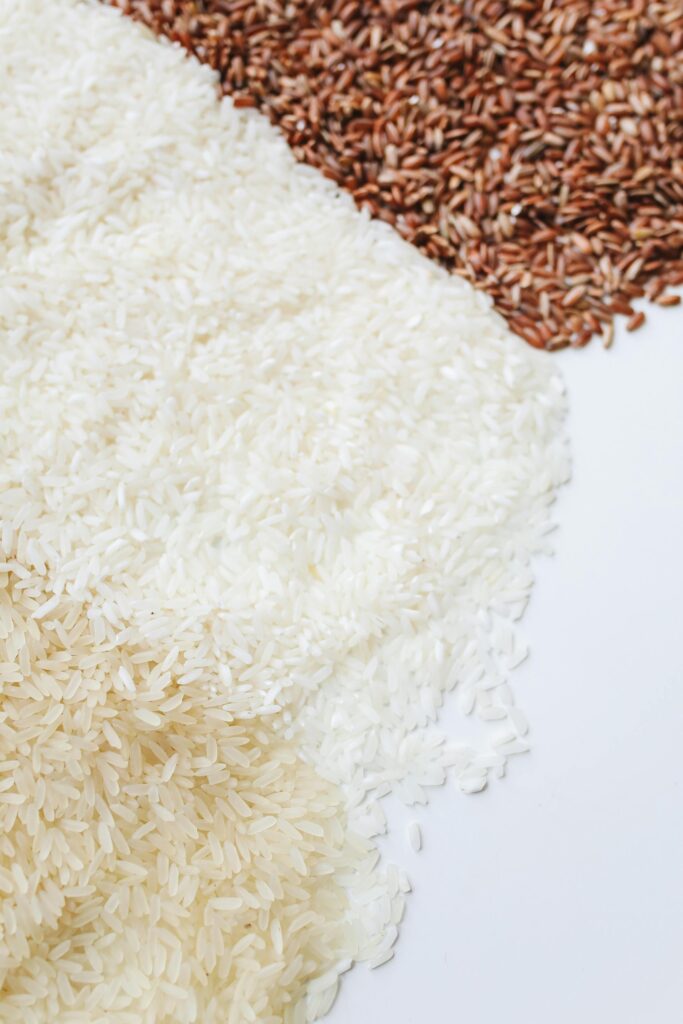
- Offer variety packs: Combine different rice types (e.g., white, brown, black) in one box.
Learn more about rice quality grading from IRRI.
2. Use Smart Packaging to Sell More
Many buyers—especially urban customers—judge rice quality by the packaging.
Tips:
- Use resealable, moisture-resistant bags.
- Add nutrition info and QR codes linking to your farm or process story.
- Print in multiple languages if targeting multicultural markets.
This builds trust and brand recognition, which are key for increasing sales.
3. Go Digital or Be Invisible
The pandemic taught us one thing: if you’re not online, you’re losing sales.
Build a Simple E-Commerce Presence
Use platforms like:
- Shopify
- WhatsApp Business Catalog
- Facebook Marketplace
- Lazada or Shopee (in Southeast Asia)
Don’t Forget Local SEO
When someone searches “rice shop near me,” make sure you show up. Claim your Google Business Profile, get reviews, and keep your hours updated.
Sell via WhatsApp or SMS
For rural customers, simple tech wins. Use:
- WhatsApp groups for bulk orders
- SMS campaigns to notify of stock or discounts
4. Offer Flexible Pricing and Incentives
Many small business owners are afraid of adjusting prices. But price flexibility sells more.
What Works:
- Offer volume discounts for bulk purchases
- Create “family packs” at better per-kilo rates
- Use loyalty cards or referral discounts
- Offer credit to trusted buyers (with caution and terms)
You can also introduce subscription models—deliver 10kg of rice monthly at a fixed price.
5. Partner with Restaurants, Caterers, and Schools
B2B sales are goldmines. Instead of selling 1kg packs to individual homes, target:
- Local restaurants or food trucks
- School canteens and hostels
- Catering services
- Supermarkets with a “local produce” section
Pitch Tip: Emphasize consistency and supply reliability. Offer trial batches or samples.
6. Invest in Quality and Transparency
Today’s buyer is not just looking for rice—they’re looking for trust.
Build transparency by:
- Letting buyers visit your farm or mill
- Posting short behind-the-scenes videos online
- Labelling your rice with harvest date, milling date, origin, and type
According to a Nielsen report, 73% of consumers are willing to pay more for products from brands they trust.
7. Market Smarter, Not Harder
You don’t need a big budget for marketing. You just need consistency and creativity.
Budget-Friendly Marketing Ideas:
- Start a TikTok or Instagram Reel series—“Rice Facts,” “How It’s Grown,” or “5-Minute Recipes”
- Ask happy customers to leave reviews and tag you
- Print flyers and place them in local shops, churches, and community centers
- Offer free delivery for first-time online buyers
✅ Pro tip: If your target buyers are urban moms, food bloggers, or health-conscious millennials, tailor your messaging to that.
Real-Life Experience: The Turnaround of Grace Rice Co.
In 2020, Grace Owusu ran a modest rice processing business in Ghana. Despite excellent quality, her sales were stagnant.
What changed?
- She rebranded her packaging and added a “Farm to Plate” QR code.
- Started a Facebook page with cooking tips and behind-the-scenes content.
- Offered a “Rice Subscription Box” with doorstep delivery.
Result: her sales increased by 250% in 18 months, and she secured a contract with a hotel chain.
Conclusion: Build Systems, Not Just Sales
In the rice business, short-term gains are tempting. But long-term success comes from building trust, diversifying channels, and improving continuously.
Here’s a quick checklist to start implementing today:
✅ Differentiate your rice with quality and packaging
✅ Embrace online tools—no matter how small you start
✅ Tap into bulk and B2B buyers
✅ Incentivize loyalty and referrals
✅ Tell your story—consumers want to connect
✅ Always test, learn, and adapt
Ready to Increase Sales in Your Small Rice Business?
Don’t just read—act. Start with one strategy from this post and implement it this week.
Need help setting up your digital storefront or pricing strategy? Let’s chat! Drop your questions in the comments or contact us for a free consultation.
And hey—if this helped you, share it with another small business owner. Let’s grow together